How it’s made
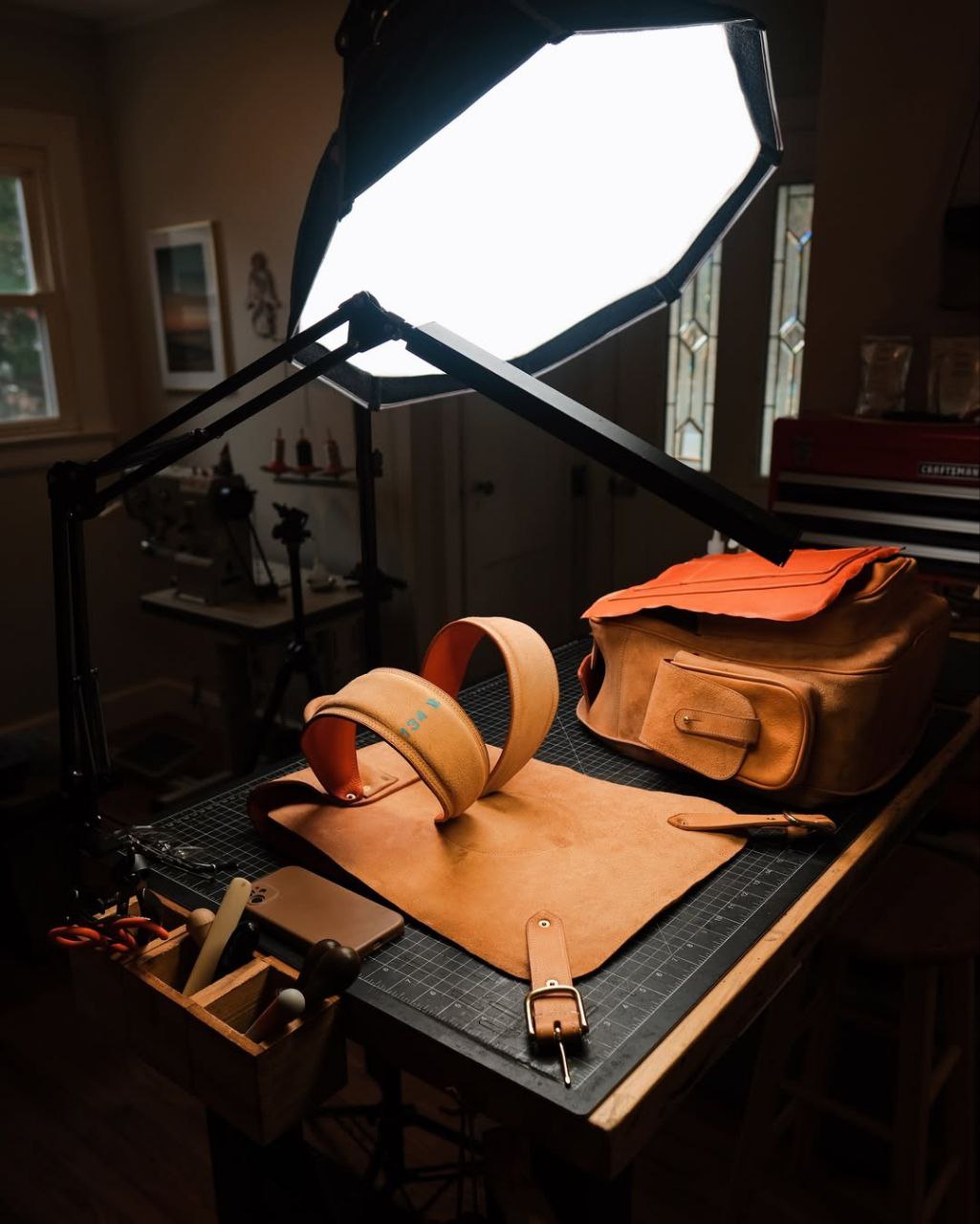
We don’t use machines where hands will do a better job. Every cut is measured twice. Every stitch is pulled to the same tension. Every edge is bevelled, burnished, and burnished again. This is what slow making looks like.
Every material begins with a visit. We source leather from a fourth-generation tannery, stone from carefully selected quarries, walnut from a sawmill that processes single felled trees, and copper sheet from a local foundry in Cairo. We don’t buy from catalogues.
We reject roughly 30% of leather hides at delivery — surface blemishes, inconsistent thickness, or grain that won’t age cleanly. The offcuts from accepted hides become straps, lace, and tool rolls. Nothing is wasted.
Patterns are drawn in-house on drafting paper, refined over multiple prototypes, and then cut with steel rule dies pressed by hand. For stone pieces, each blank is traced individually to account for natural variation in the material. No two are cut identically.
Leather is cut on a self-healing mat with a weighted straight edge. Stone is cut wet on a tile saw, then shaped by hand with diamond files. Wood is rough-cut on a bandsaw and finished with hand planes.
Leather goods are saddle-stitched by hand using two needles and waxed linen thread — the same technique used for horse tack for centuries. If one thread breaks, the other holds. Machine stitching cannot do this. It takes about four times as long. It’s worth it.
A standard Dopp Kit requires approximately 340 individual stitches. Each one is made with a pre-punched hole, two needles working in opposite directions, and a final locking pull to bed the thread into the leather.
Every edge is bevelled with a hand tool, then burnished with bone or wood until smooth. Hardware is set cold — no heat, no adhesive. Each finished piece is inspected under raking light to catch anything that doesn’t meet the standard. Roughly one in twelve pieces is pulled from the batch and remade.
We look for thread tension, edge consistency, hardware alignment, and surface finish. A piece that passes every check is wrapped in tissue, sealed, and shipped. A piece that doesn’t goes back to the bench.
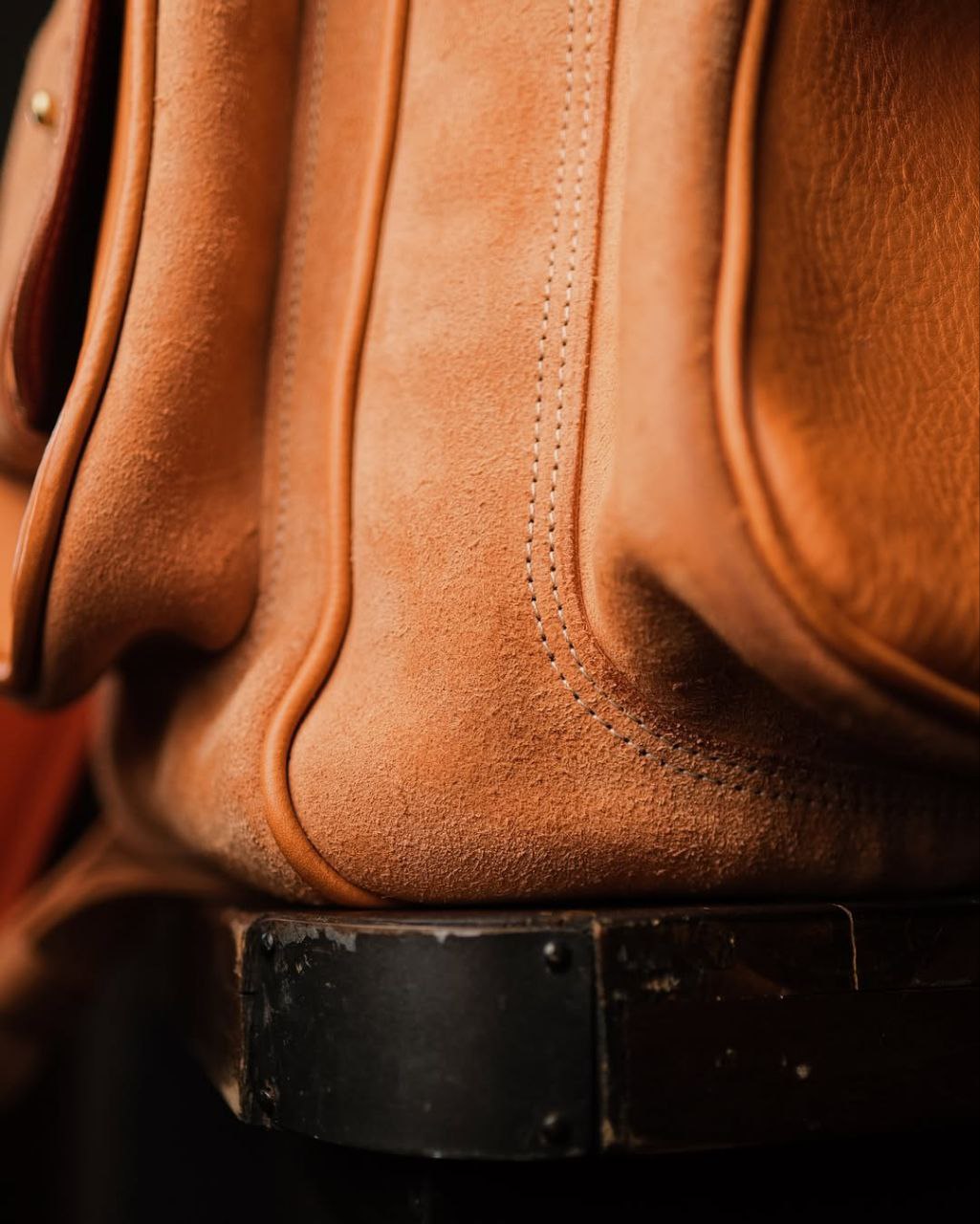
Vegetable tanning is the oldest method of treating leather — it uses bark, leaves, and other plant matter to cure the hide over weeks or months. The result is a leather that is denser, firmer, and more responsive to use than chrome-tanned leather.
Full-grain means the entire surface of the hide is kept intact. The natural markings — scars, growth lines, insect bites — are features, not flaws. They make every piece unique and ensure the leather will develop a patina rather than peel.
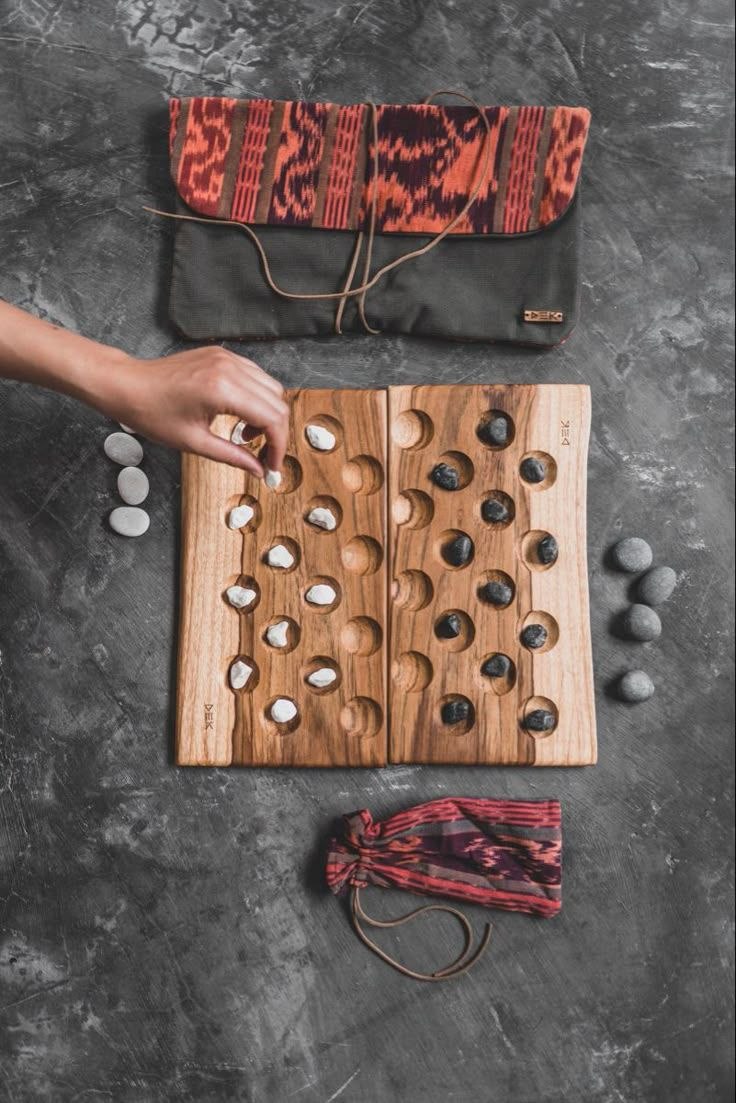
We work with obsidian, black marble, and granite — materials formed under pressure over millions of years. No two pieces carry the same veining, crystalline pattern, or surface variation. This is not a defect of the material. It is the point.
Stone is shaped wet to prevent dust and preserve surface integrity. Each piece is hand-finished with progressively finer grits to a smooth but not polished surface that will develop a patina where it is regularly handled.
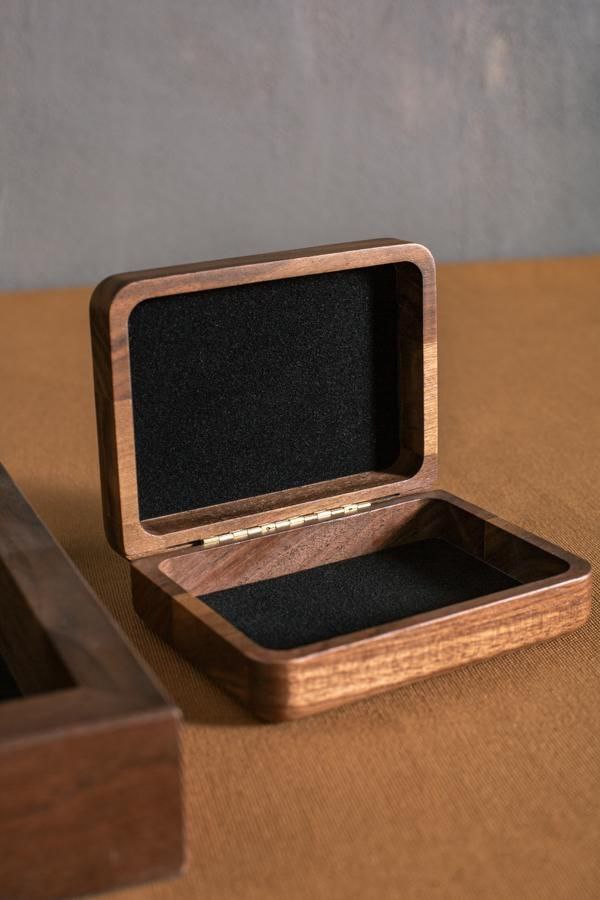
We source reclaimed timber only — boards from demolished buildings, beams from dismantled barns, floorboards from renovated houses. The wood has already spent decades responding to its environment. It is dimensionally stable in a way that freshly milled timber is not.
Joints are cut by hand and fitted without glue or hardware. Everything is held by the geometry of the joint alone. Pieces can be fully disassembled and repaired without tools.
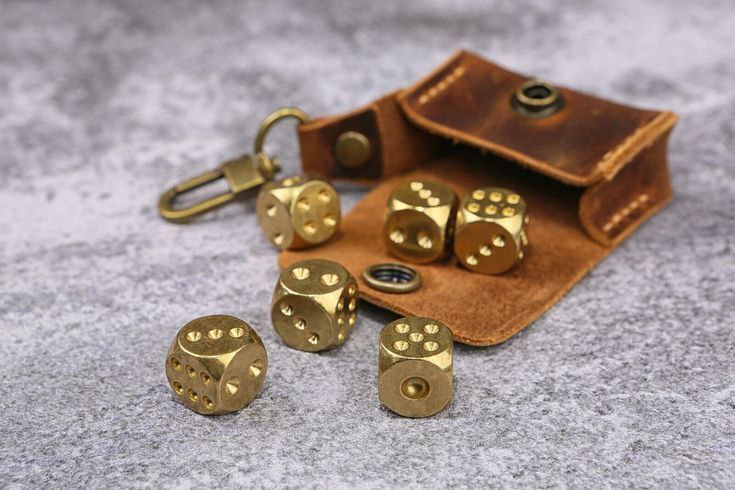
Copper is the most reactive of our four materials. Left alone it stays bright. Handled regularly it turns amber, then deep brown, then develops a dark patina at the edges where oils accumulate. This process takes six months to a year and cannot be replicated artificially.
We work with raw, uncoated copper sheet. No lacquer. No protective finish. The surface you receive is the surface that will change. We consider this a feature, not a maintenance requirement.
Every tool in the studio has a specific purpose. Most are decades old. Some we made ourselves. None are decorative.
Diamond-chisel pricking irons for punching evenly spaced holes before hand-stitching. Each set is calibrated to a specific thread weight.
A single-angle blade that removes the sharp corner from cut leather edges before burnishing. Four passes, each slightly finer.
Used to crease, score, and burnish. Ours is a 40-year-old bookbinder’s tool made from actual bone. Nothing plastic works as well.
For scribing consistent margins along edges before stitching. Set once per project and never touched again during that run.
For shaping and finishing stone. A set of seven, from coarse shaping to fine finishing. Used wet. Replaced every 18 months.
Three sizes, all vintage. Used for dimensioning wood and flattening glue surfaces. Tuned to take a shaving you can read through.
A two-piece tool for cold-setting copper rivets without heat. The head is a turned piece of hardened steel we made in-house.
Mounted on a variable-speed motor. Used for finishing leather edges to a hard, glassy surface. The wheel is boxwood. Speed is everything.
“A machine can repeat an action ten thousand times without variation. That’s not what we’re trying to do. We’re trying to make one thing, well.”— The Saturn.Haus Studio
Every piece in the collection is built using the techniques described here. Browse the full range or read about the people behind the studio.
Shop the collection About the studio